
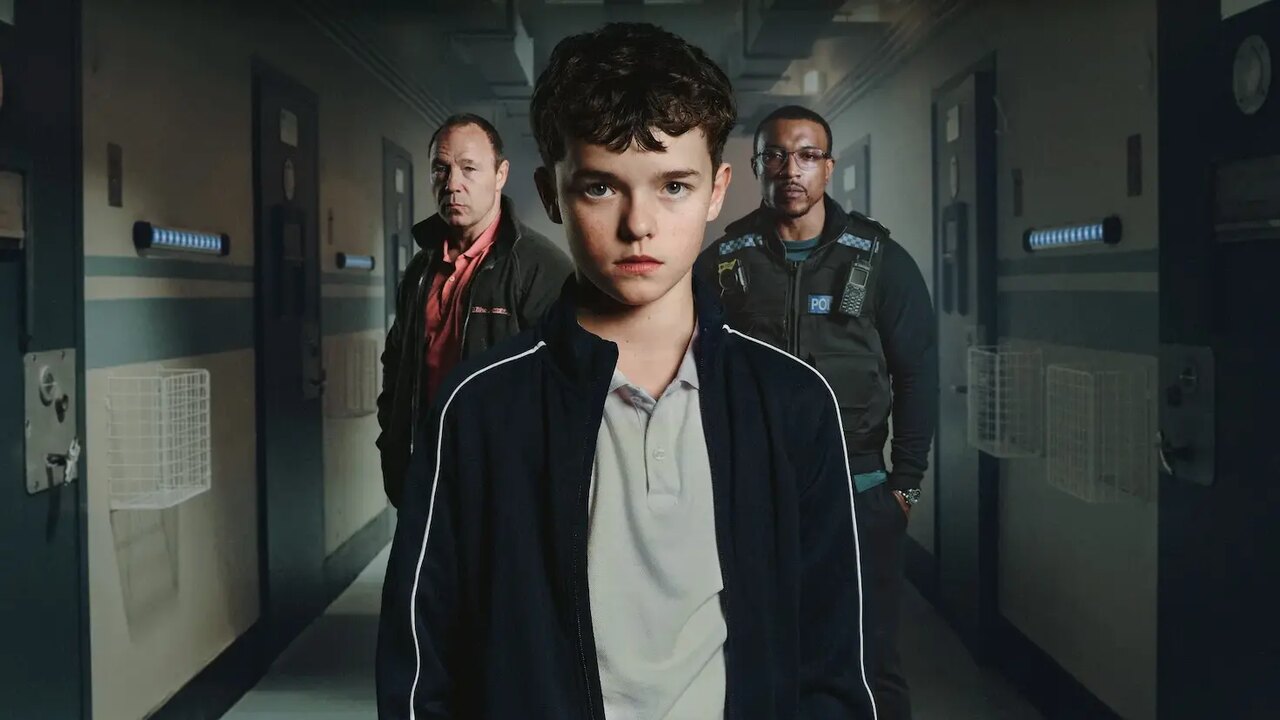
The hallway lockers are too shiny, the dialogue too sharp, the parties too chaotic. Teen dramas have always stretched reality—but pull away the glitter and the grit, and something true remains.
Shows like Euphoria and Heartstopper don’t just document adolescence; they magnify its defining tensions. A boy stares at his phone, waiting for a text that never comes. A girl practices smiles in the mirror, testing which version of herself might be loved. These moments feel cinematic, yet any parent who’s watched their teenager navigate high school recognizes the echoes.
The modern twist? Today’s shows unfold against a backdrop no parent fully understands: the invisible theater of social media, where every interaction is staged and scrutinized. When a character in Gen V bleeds for likes or a Heartstopper couple communicates entirely through hesitant glances and Spotify playlists, they’re not just telling stories about teens—they’re translating a language adults often miss.
This creates a peculiar dissonance. Parents watch these series and see exaggeration; teenagers watch and see documentation. The truth, as always, lives in the gap. A 16-year-old may never experience the operatic tragedies of 13 Reasons Why, but the show’s emotional core—the loneliness, the desperate need to be understood—isn’t fiction.
There’s an opportunity here, though few take it. Rather than debating whether these shows are “too much,” consider them as anthropological texts. The specific scenarios may be heightened, but the emotions are real. Ask a teenager which moments ring true, and you’ll learn more than any parenting manual could teach.
The challenge isn’t monitoring what they watch, but understanding why it resonates. After all, adolescence hasn’t changed—only the mirrors have.